


Short Answer
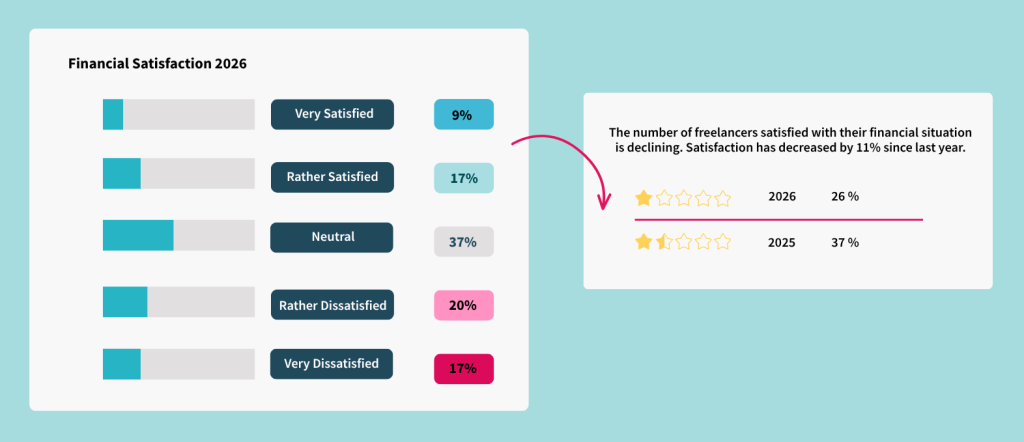
Freelancing in Canada in 2026 is defined by a highly experienced, remote-first workforce working across multiple clients and increasingly using AI tools. Most freelancers are concentrated in Quebec and Ontario, operate in high-skill industries like IT, marketing, and administration, and rely on networks and freelance platforms to find work. While hourly rates have increased, financial satisfaction is declining due to economic uncertainty and project competition. Overall, freelancing is growing but becoming more complex and competitive.
What is Freelancing?
Freelancing is a form of independent work where professionals provide services to clients without being permanent employees. Freelancers typically charge by the hour, by project, or by day, and may work with one or multiple clients at the same time.
In Canada, freelancing is a key part of the modern workforce, especially in knowledge-based industries. According to the How Freelancers Work In Canada 2026 Study, based on 403 participants, freelancers play an increasingly central role in how companies access specialized talent.
How Does Freelancing Work?
Freelancing generally follows a structured process:
- A freelancer builds expertise in a specific field
- Projects are sourced through networks, platforms, or job boards
- Rates are set based on experience, industry, and scope
- Work is completed independently under agreed timelines
- Payment is made per hour, project, or milestone
Most freelancers manage multiple clients simultaneously to diversify income and reduce risk. They also increasingly use AI tools to improve productivity in areas like research, brainstorming, and automation.
How Does Freelancing Work In Canada?
Freelancing in Canada in 2026 is shaped by several key trends.
Geographic Concentration
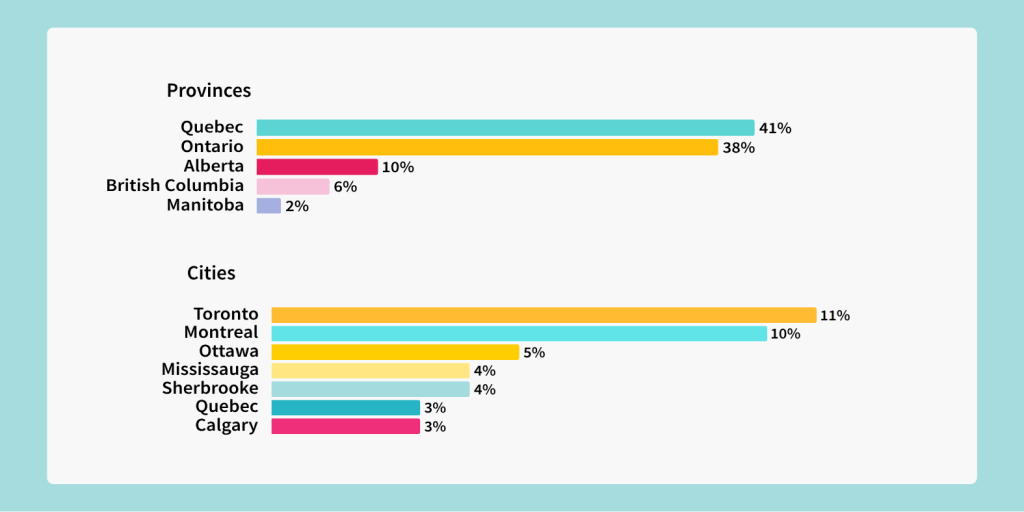
Freelancers are concentrated in major economic hubs. Quebec accounts for 41% of respondents and Ontario 38%, with Toronto and Montreal leading among cities. This shows that while work is remote, talent remains clustered in key regions.
Experience Levels
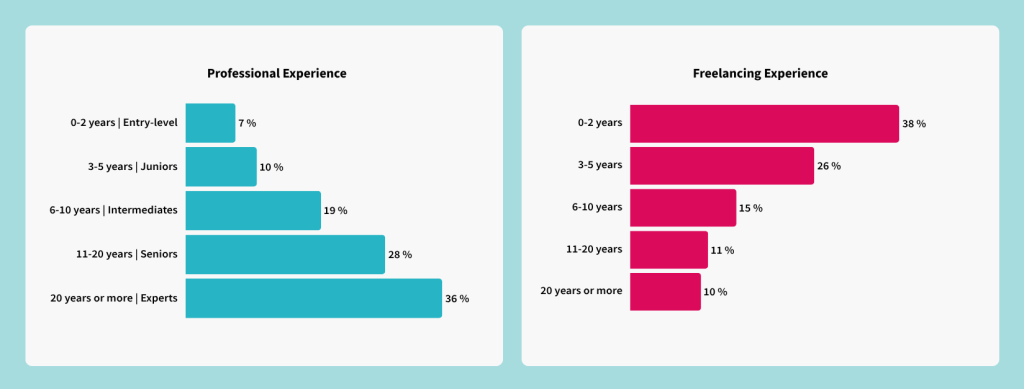
Canadian freelancers are highly experienced. Most have over 10 years of professional experience, and freelancing is often a second phase of a career rather than an entry point.
Work Models
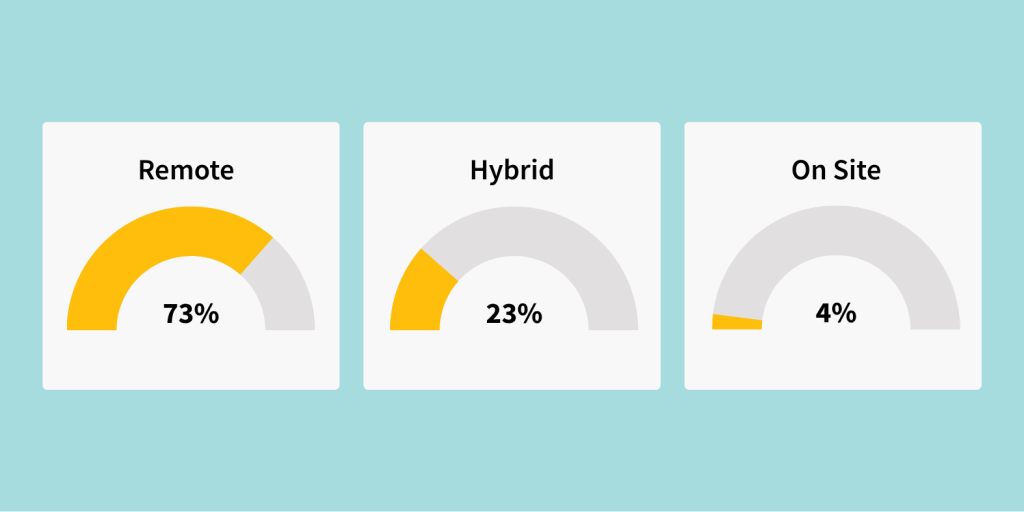
Remote work dominates. 73% of freelancers work remotely, 23% in hybrid models, and only 4% on site. This shift enables collaboration across provinces and international markets.
Client Structure
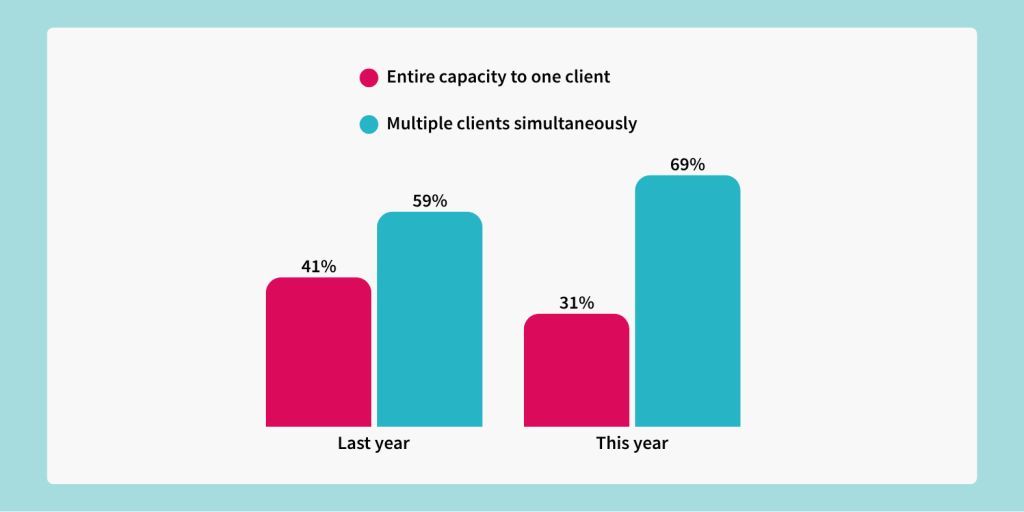
Freelancers increasingly work with multiple clients. This reflects a need for income diversification and greater stability in uncertain market conditions.
Workload and Hours
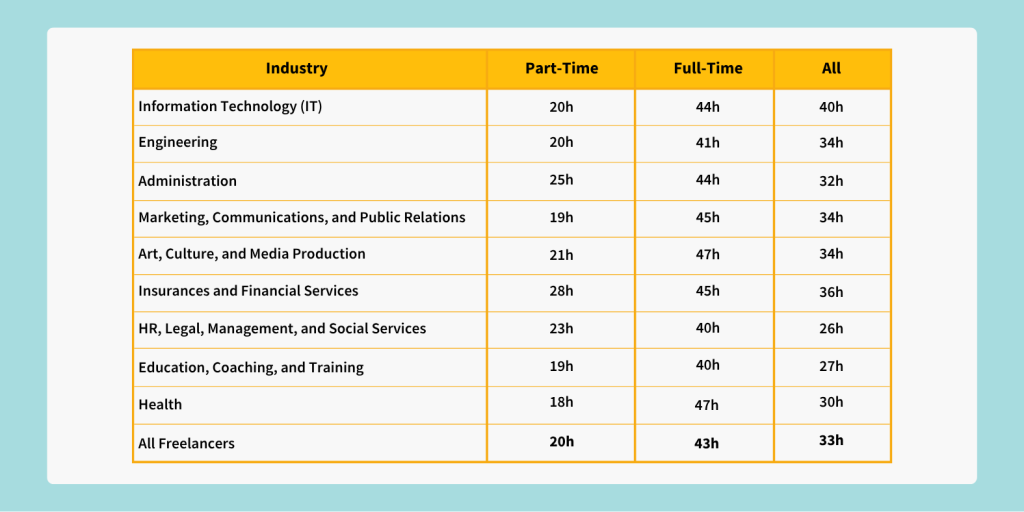
Canadian freelancers average 33 hours per week. Full-time freelancers average 43 hours, while part-time freelancers average around 20 hours. This flexibility allows freelancers to adapt their workload based on demand and personal preferences.
Industries and Specialization
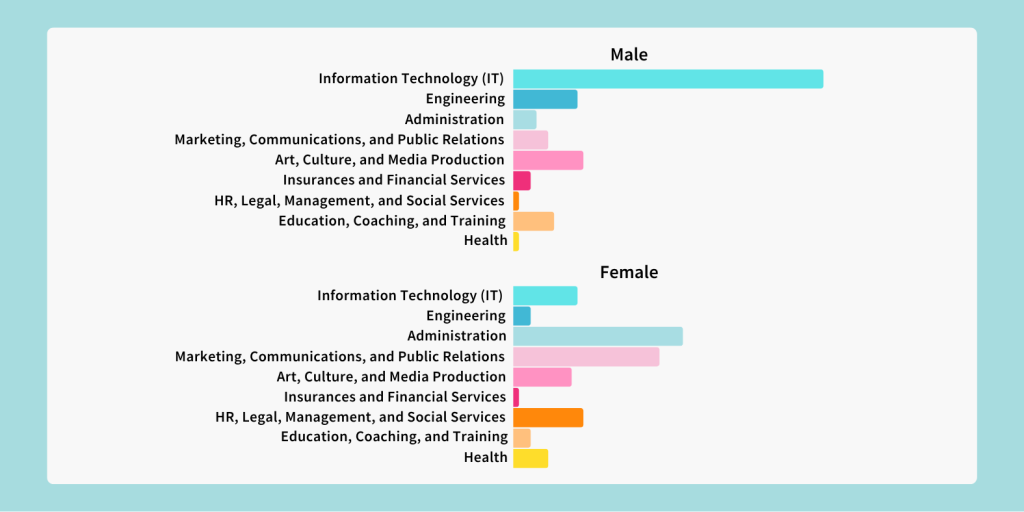
Freelancers are concentrated in high-skill industries, with IT leading at 31%, followed by administration and marketing, communications, and public relations. Engineering, finance, legal services, and education are also well represented.
Project Volume and International Work
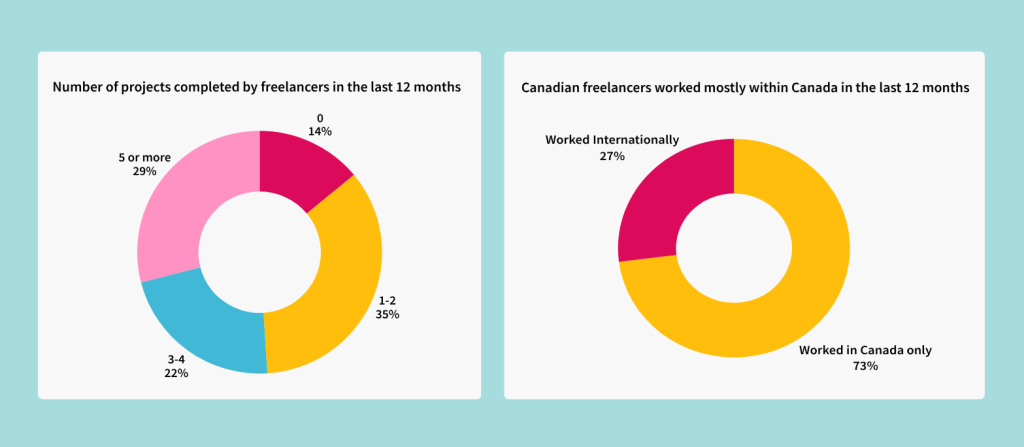
Freelancers in Canada manage multiple projects each year, with 51% completing three or more projects annually. While most work remains domestic, 27% of freelancers work internationally, and 42% of those collaborate with clients in the United States.
Use of AI Tools
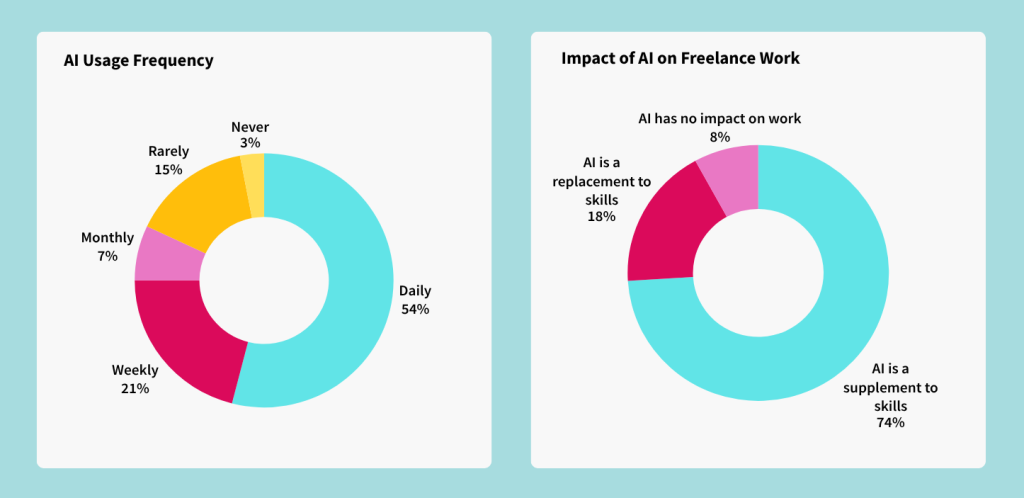
AI is used daily by 54% of freelancers, mainly for information search, brainstorming, and automation. Most freelancers view AI as a supplement to their skills rather than a replacement.
Who Is This Relevant For?
- Freelancers in Canada who want benchmarks on rates, workload, and trends
- Clients and companies looking to hire freelancers effectively
- HR and procurement teams building flexible workforce strategies
- Media and policymakers analyzing the future of work
Real-World Examples
A freelance developer in Montreal may work fully remotely, manage multiple clients, and use AI tools daily to increase efficiency.
A marketing freelancer in Toronto may choose projects based on revenue and task fit, work across several clients, and still face uncertainty despite steady demand.
Frequently Asked Questions
How many hours do freelancers work in Canada in 2026?
Canadian freelancers work an average of 33 hours per week. Full-time freelancers average 43 hours, while part-time freelancers average 20 hours.
What do freelancers charge in Canada in 2026?
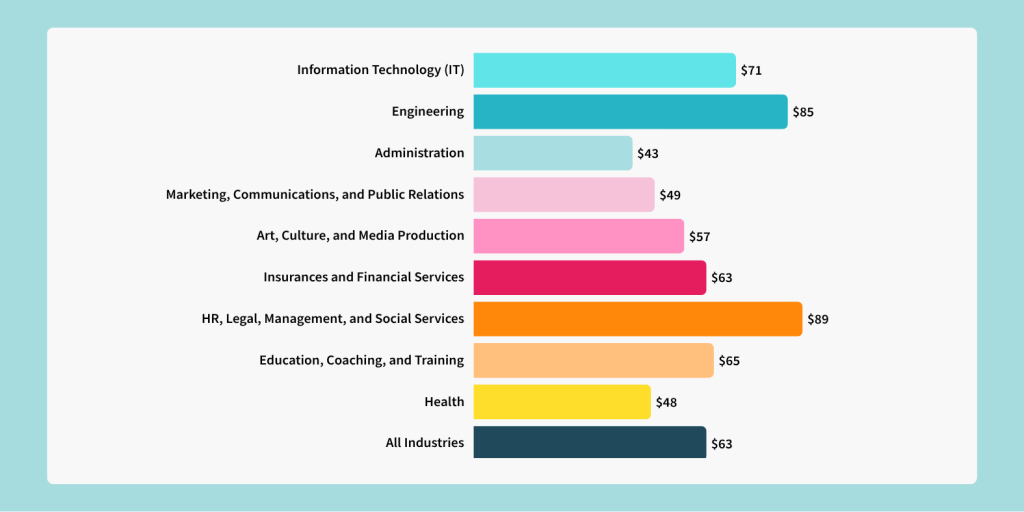
The average hourly rate across all industries is $63. Rates vary by sector, with IT at $71, engineering at $85, and HR, legal, and management roles reaching $89.
How does experience affect freelance rates?
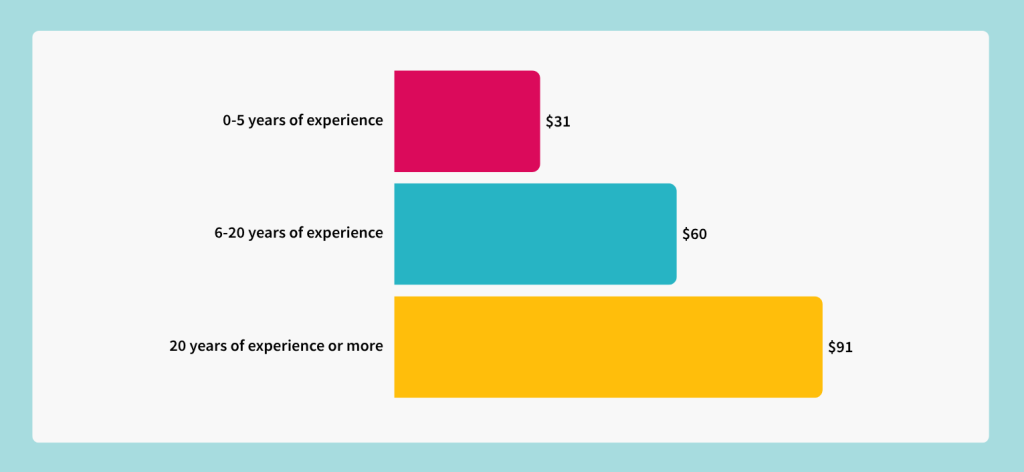
Experience significantly impacts earnings. Freelancers with under 5 years of experience earn about $31 per hour, while those with over 20 years earn around $91.
How do freelancers find projects in Canada?
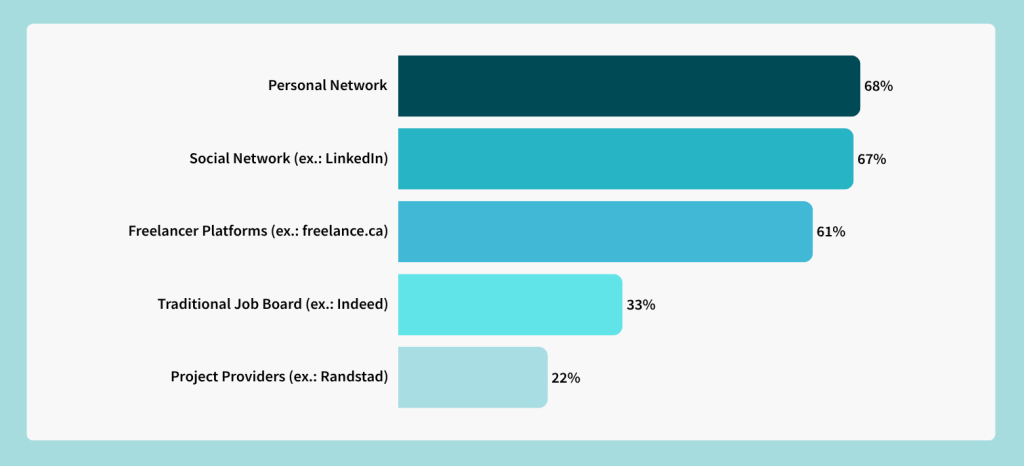
Freelancers rely primarily on personal networks (68%), social platforms like LinkedIn (67%), and freelance marketplaces like freelance.ca (61%).
What are the biggest challenges for freelancers?
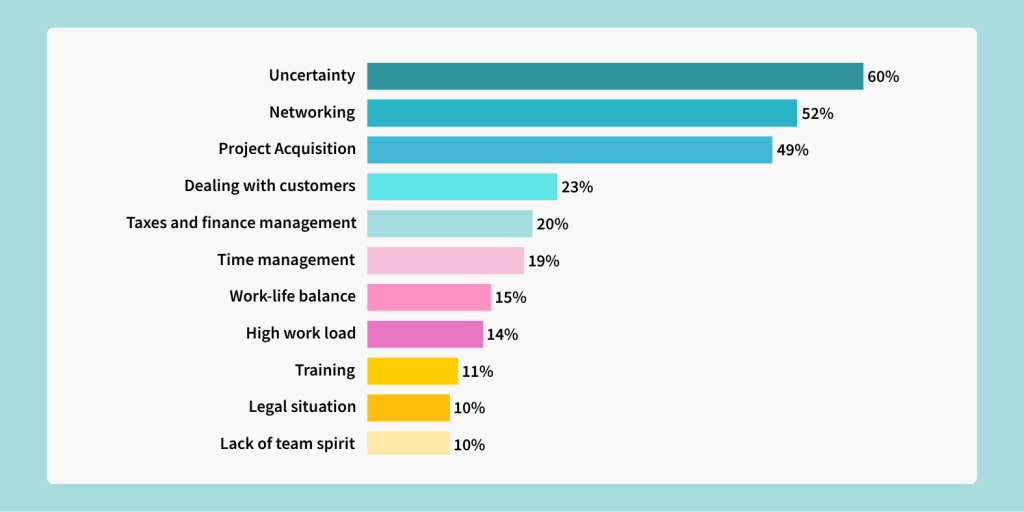
The biggest challenges are uncertainty (60%), networking (52%), and project acquisition (49%).
Common Mistakes and Misconceptions
Despite these insights, several misconceptions about freelancing in Canada still persist.
Freelancing is entry-level work
Most freelancers have significant prior professional experience.
Freelancers work with one client only
Most now work with multiple clients simultaneously.
Freelancing is mostly on-site
Remote work dominates in Canada in 2026.
Higher rates mean better financial stability
Despite rising rates, financial satisfaction has declined.
AI is replacing freelancers
Most freelancers view AI as a productivity tool, not a replacement.
Summary
Freelancing in Canada in 2026 is driven by experienced professionals working remotely across multiple clients. While opportunities continue to grow, the market is becoming more competitive, requiring freelancers to adapt, specialize, and manage their business strategically.
Do you want access to the full study? Download the full How Freelancers Work In Canada Study HERE
Author and Credibility
Written by Brooke McLaughlin, Digital Marketing and Content Specialist at freelance.ca. Brooke specializes in freelance market trends, content strategy, and Canadian workforce insights.
This article is based on the How Freelancers Work in Canada, Freelancer Study 2026, using survey data from 403 participants and platform insights.
