


Freelancing continues to play an increasingly important role in Canada’s workforce, as businesses adopt more flexible hiring models and professionals seek greater autonomy in their careers.
In 2026, this shift is more pronounced than ever. Freelancers contribute across key industries such as technology, marketing, administration, and consulting, supporting companies with specialized, on-demand expertise. At the same time, organizations are rethinking traditional employment structures and integrating freelance talent into their long-term strategies.
To better understand how freelancers operate today, freelance.ca conducted a national study based on responses from 403 freelancers across Canada. This report presents selected insights from the Freelance Study 2026, focusing on key areas including demographics, finances, project acquisition, trends, and artificial intelligence.
This report aims to provide a structured view of the Canadian freelance economy, highlighting not only the data, but also what these shifts mean for freelancers, businesses, and the future of work.
👉 freelance.ca members can download the complete 2026 Freelancing Study HERE. Not a freelance.ca member? No worries you can find a form at the end of this article to download the study.
Table of Contents
Overview: Freelancing in Canada in 2026
Freelancing in Canada in 2026 is defined by a highly experienced, remote-first workforce operating across multiple clients and industries.
Unlike traditional employment models, freelancing is increasingly structured around flexibility, specialization, and project-based collaboration. Many professionals are choosing freelancing as a long-term career path rather than a temporary or transitional phase.
At the same time, the market is becoming more competitive. Freelancers must continuously adapt to changing client expectations, evolving technologies, and economic uncertainty.
This article provides an overview of the main findings. To access the complete dataset, detailed analysis, and full set of insights, the full study must be downloaded.
1. Demographics of Freelancers in Canada
The structure of the freelance workforce in Canada is shaped by geographic concentration, professional experience, and access to economic opportunities. Although self-employment is often associated with geographic independence, data shows that economic centers continue to play an important role in the location choices of self-employed workers.
The Canadian freelance workforce is concentrated in major economic regions, with Quebec (41%) and Ontario (38%) representing the majority of freelancers. Cities such as Montreal and Toronto act as key hubs for freelance activity.
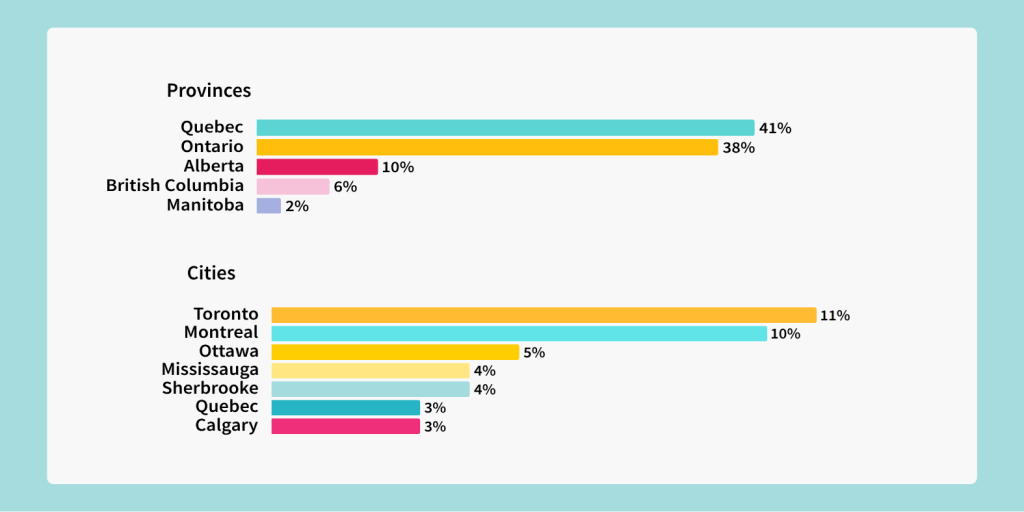
This concentration suggests that proximity to business networks, clients, and industry clusters continues to influence freelance activity, even in a remote-first environment.
Experience levels further define the market. A large portion of freelancers bring extensive professional backgrounds, with many having over 10 years of experience prior to freelancing.
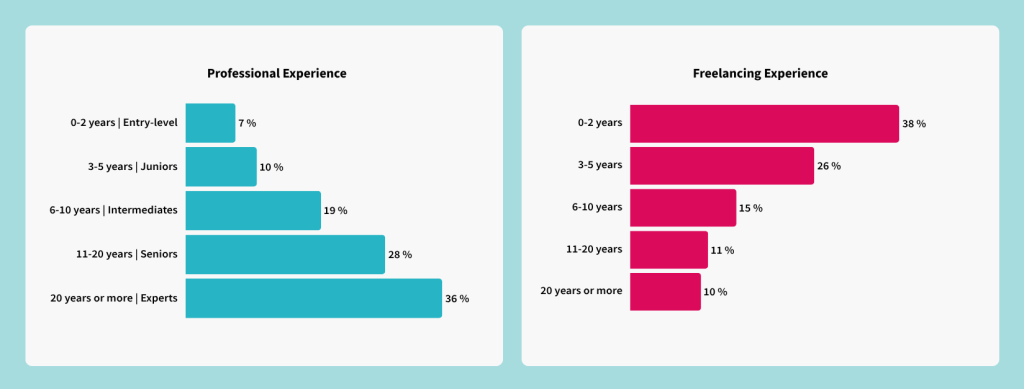
This indicates that freelancing in Canada is primarily driven by experienced professionals rather than entry-level workers.
As a result, the Canadian freelance market is highly skilled and competitive, with clients often engaging freelancers for specialized expertise rather than general support.
2. Financial Landscape of Freelancers
Understanding freelancer finances requires looking beyond average rates and considering the broader economic context in which freelancers operate. Earnings, stability, and satisfaction are all interconnected and influenced by both market demand and external factors.
The average hourly rate across all industries is $63, with higher rates observed in fields such as engineering, legal services, and management.
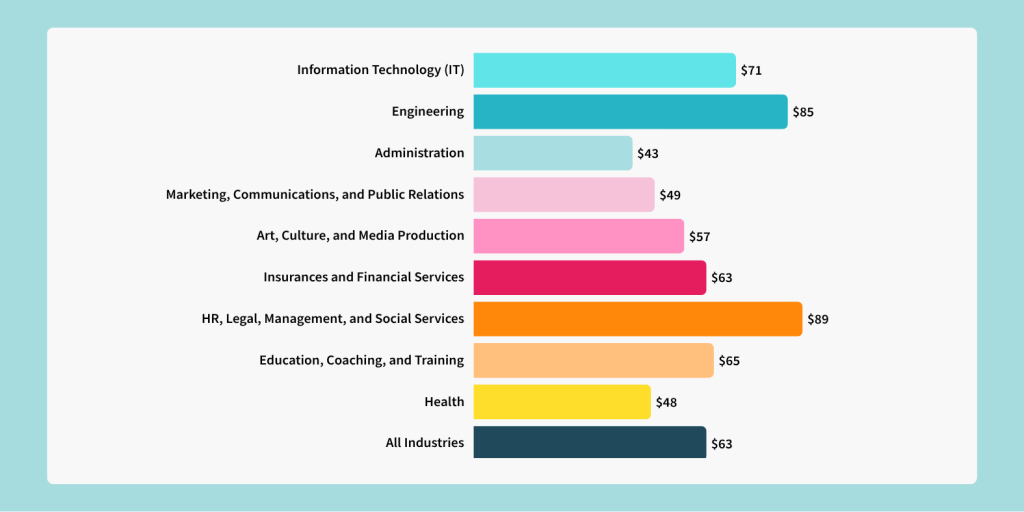
These figures highlight the strong earning potential within freelancing, particularly for specialized and high-demand skill sets.
However, financial outcomes are not determined by rates alone. Despite increasing earnings, many freelancers report declining levels of financial satisfaction.
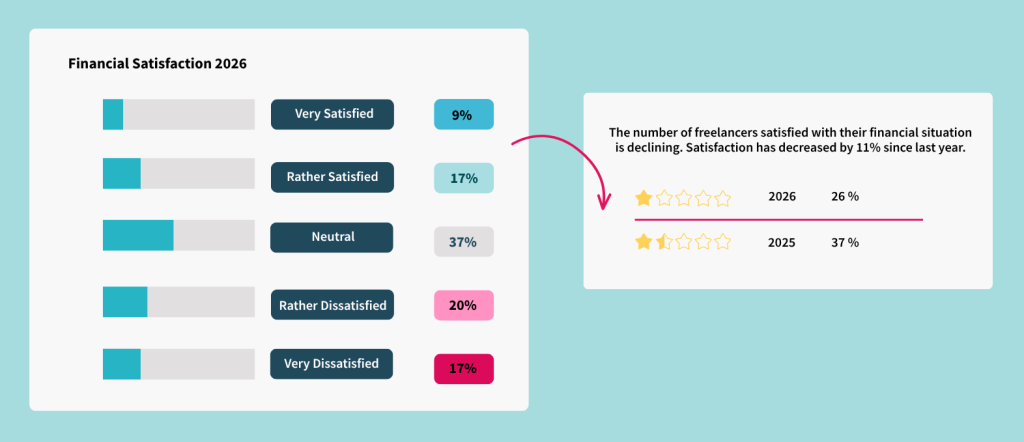
This suggests that rising rates are being offset by factors such as cost of living, inconsistent workloads, and increased competition.
Experience remains one of the most significant drivers of income. Freelancers with more years of experience command higher rates and are better positioned to secure high-value projects.
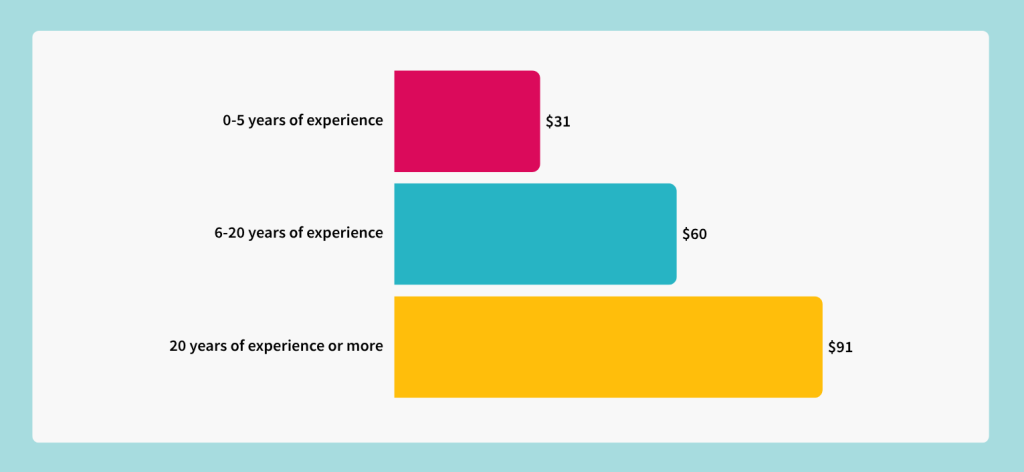
This reinforces that long-term expertise, specialization, and positioning are critical to financial success in freelancing.
3. Project Acquisition and Client Relationships
Securing consistent work remains one of the most important aspects of freelancing. Unlike traditional employment, freelancers must actively source projects, build relationships, and maintain visibility in the market.
Freelancers in Canada rely on multiple channels to secure work, with personal network (68%) remaining the primary source of projects, followed closely by social platforms and freelance marketplaces.
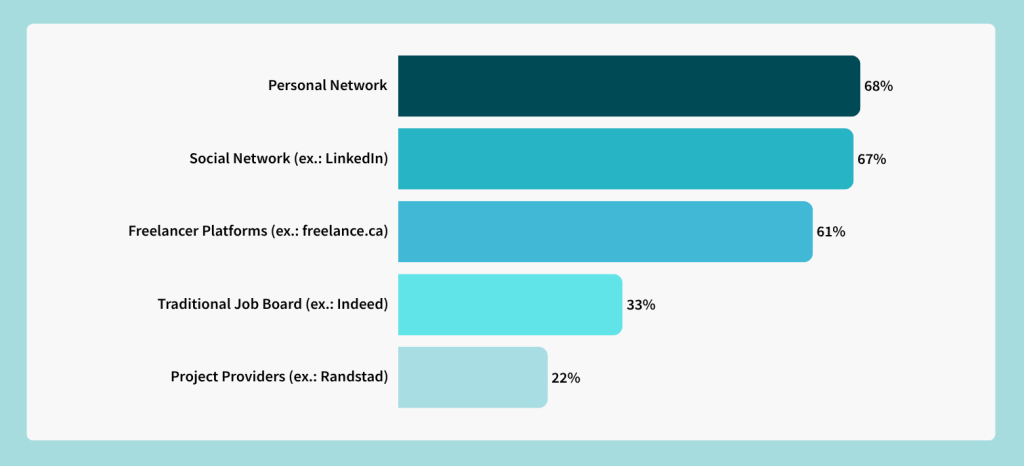
This highlights that freelancing success depends not only on technical skills, but also on networking, reputation, and visibility.
Client structure has also evolved. Many freelancers now work with multiple clients simultaneously rather than relying on a single long-term contract.
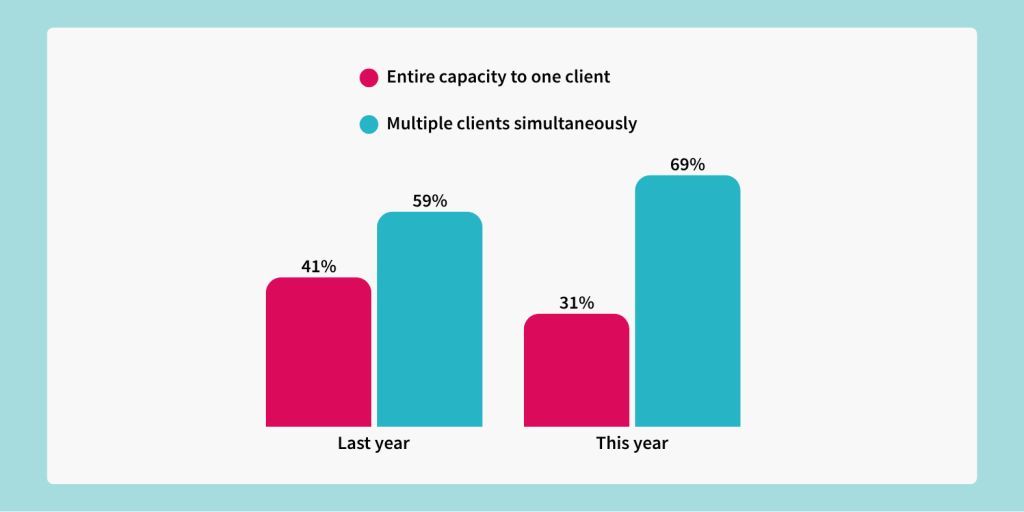
Working with multiple clients allows freelancers to diversify income, reduce risk, and increase stability.
At the same time, this model requires stronger time management, communication, and business organization skills.
4. Trends and Challenges in Freelancing
The freelance landscape in Canada continues to evolve, shaped by technological change, shifting work models, and broader economic conditions. These trends create both opportunities and challenges for freelancers.
Remote work has become the dominant model, with 73% of freelancers working fully remotely.
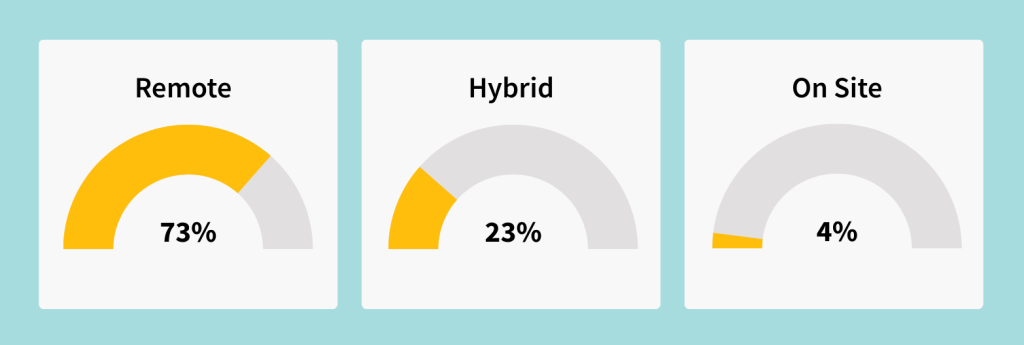
This shift enables access to a broader range of opportunities, but also increases competition by expanding the available talent pool.
At the same time, freelancers face ongoing challenges that impact their ability to grow and sustain their work.
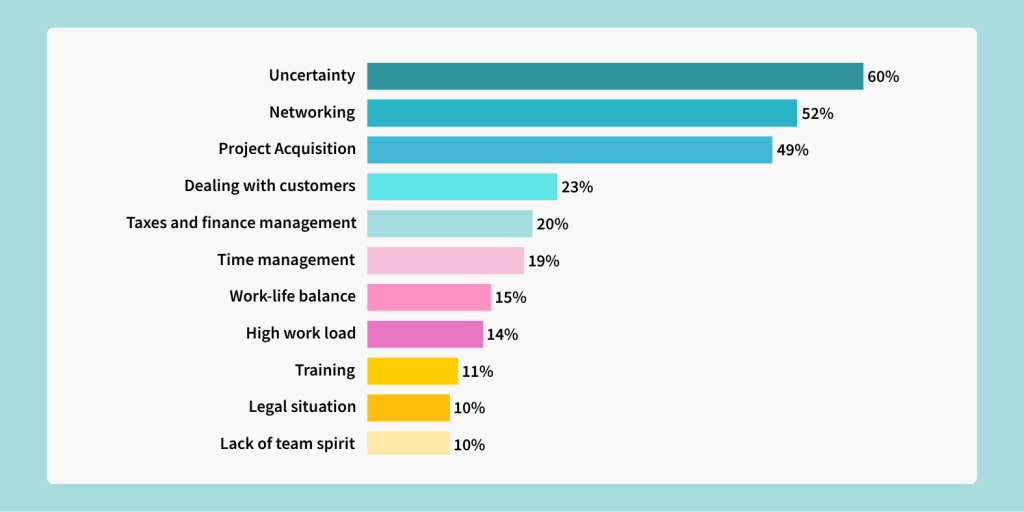
The most common challenges include uncertainty (60%), networking (52%), and project acquisition (49%).
These findings highlight that freelancing requires not only technical expertise, but also strong business development and resilience.
Workload and working hours further reflect the variability of freelance work. On average, freelancers work 33 hours per week, with full-time freelancers averaging 43 hours and part-time freelancers around 20 hours.
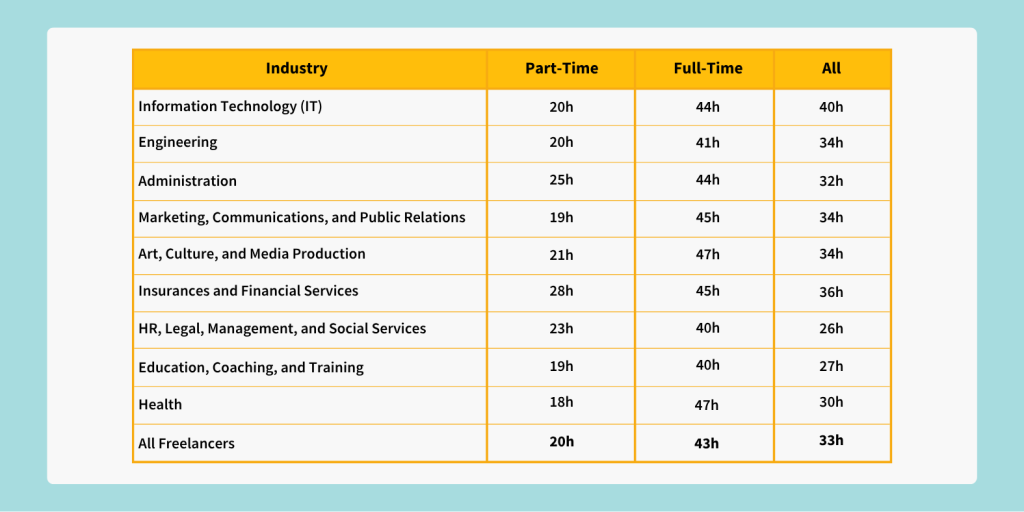
This variability demonstrates the flexibility of freelancing, while also reinforcing the importance of managing workload and maintaining balance.
5. The Role of Artificial Intelligence in Freelancing
Artificial intelligence is rapidly transforming how freelance work is performed. In 2026, AI is no longer an emerging trend, it is an integrated part of daily workflows across industries.
Freelancers are increasingly using AI tools to improve efficiency, automate repetitive tasks, and enhance the quality of their work.
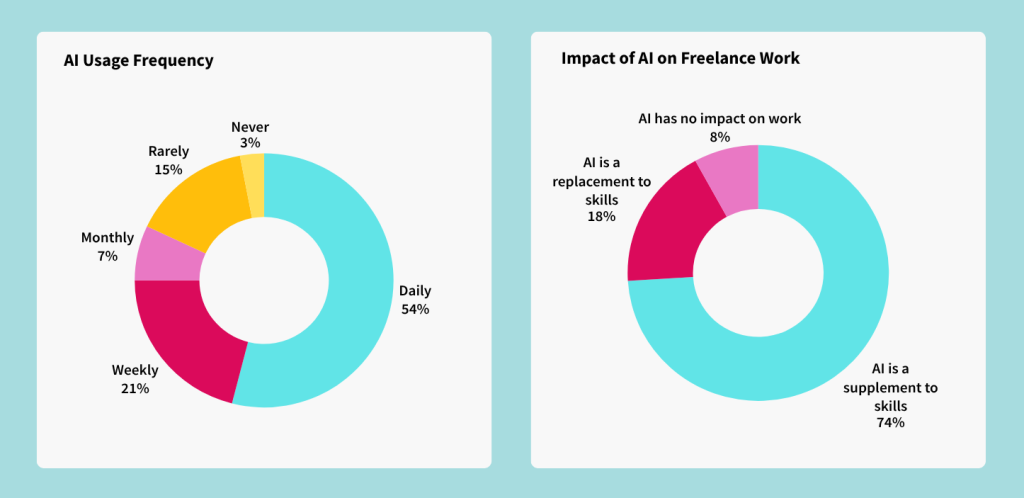
Beyond usage, perception of AI provides important insight into how freelancers view its role in their work. 74% of freelancers say AI is a supplement to their skills, while only 18% view it as a replacement.
Expert Insight: The Changing Role of AI in Freelancing
“Artificial intelligence is no longer just a competitive advantage for freelancers, it is a new skill set. Those who integrate it into their practice now not only work faster, they deliver better results and position themselves differently in the market.
What’s impressive is the speed of adoption. We are seeing freelancers across fields such as writing, design, accounting, and development using AI tools to automate repetitive tasks and focus more on value-driven work.
The real challenge now is understanding what to delegate to AI and what to keep human.”
William Garneau, AI Expert
This signals a fundamental shift in freelancing, where success is increasingly tied to how effectively professionals integrate AI into their workflows.
At the same time, this evolution introduces new considerations, including data privacy, output quality, and changing client expectations.
Conclusion
Freelancing in Canada in 2026 is shaped not only by technological change and evolving work models, but also by broader economic and political conditions.
Freelancers are operating in a market that offers flexibility and opportunity, but also increasing complexity. While many benefit from higher rates and access to global opportunities, they also face growing uncertainty, increased competition, and declining financial satisfaction.
These trends reflect a broader shift in the labor market. Freelancers are increasingly required to operate as independent businesses, balancing service delivery with client acquisition, financial management, and long-term sustainability.
At the same time, sentiment toward external factors such as economic conditions and political support remains cautious. Many freelancers express concern about stability and the level of support available to independent workers, highlighting the need for clearer frameworks and policies that reflect the realities of modern work.
As the freelance economy continues to evolve, both freelancers and organizations must adapt. Businesses are increasingly relying on flexible talent, while freelancers must position themselves strategically to remain competitive.
To fully understand these dynamics, including deeper insights into financial trends, policy sentiment, and market outlook, access to the complete Freelancing Study 2026 is essential.
👉freelance.ca members can download the FULL 2026 Freelancing Study HERE. Not a member? complete the form below.
Written by Brooke McLaughlin, Digital Marketing and Content Specialist at freelance.ca. Brooke specializes in freelance market trends, content strategy, and Canadian workforce insights.
This report is based on the How Freelancers Work in Canada 2026 Study, using survey data from 403 participants.
