


Invoicing is one of the most important administrative tasks for any freelancer. Whether you’re working in freelance IT jobs, freelance content writing services, or freelance financial analysis, a clear and professional invoice ensures you get paid promptly and builds trust with your clients. Here’s how to craft the perfect invoice, especially if you’re part of the growing freelance marketplace in Canada.
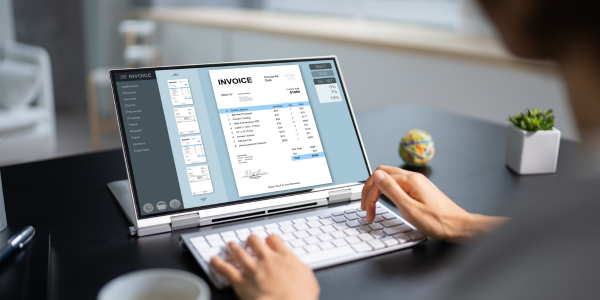
1. Why Freelancers Need a Professional Invoice
For Canadian freelancers offering freelance services an invoice is not just a formality. It’s a legal document that details the work completed, the terms of payment, and your business information. A well-designed invoice can improve your chances of getting paid on time and help you appear more professional, especially when working with clients on top freelance platforms or through remote freelance work.
2. Key Elements to Include in Your Freelance Invoice
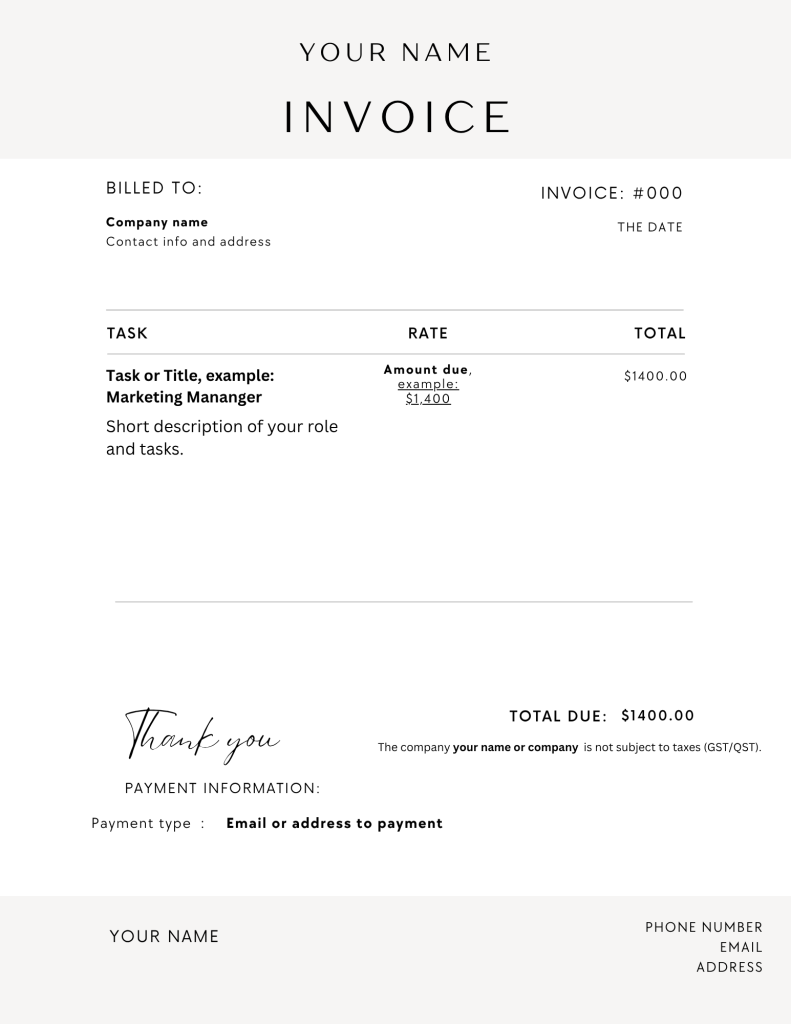
A complete invoice should include all the essential details to avoid confusion or delayed payments. These elements are:
- Your name or business name and contact details
- Client’s name and contact details
- Invoice number (unique for each invoice) example “Invoice: #26”
- Date of issue
- Description of services provided (e.g., freelance UX/UI designer)
- Hours worked or project-based pricing
- Applicable taxes (GST/HST) if registered
- Total amount due
- Payment terms (e.g., due in 14 days)
- Payment methods accepted (e.g., bank transfer, PayPal)

3. Tools and Templates to Simplify Invoicing
If you’re new to freelance job opportunities in Canada, don’t worry you don’t need to start from scratch. There are many invoice templates available that are customizable and cater to the freelance industry. Tools like Wave, FreshBooks, and Bonsai offer invoice templates tailored for freelance work from home. These platforms allow you to automate recurring invoices, send reminders, and even track payments making freelance project management much easier.
4. Best Practices for Effective Invoicing
To maintain a strong relationship with your clients and ensure consistent cash flow, follow these invoicing best practices:
- Send invoices promptly after completing the project
- Be clear and concise with your descriptions
- Include late payment terms to protect your income
- Maintain organized records for tax purposes
- Use consistent branding across all documents for credibility
Whether you’re providing freelance cloud computing or freelance educational technology services, invoicing is a core part of your freelance business tools.
Visual Guide: What to Include in Your Freelance Invoice
Here’s a graphic to visualize the essential parts of a freelance invoice:


I was very pleased to seek out this net-site.I needed to thanks on your time for this excellent learn!! I definitely having fun with every little little bit of it and I’ve you bookmarked to check out new stuff you weblog post.
I simply wanted to thank you so much once again. I’m not certain what I would have followed without the type of points shown by you about such field. Entirely was a very distressing setting in my position, however , discovering your professional manner you treated that forced me to leap with happiness. Now i’m thankful for your work and even believe you comprehend what a great job you are always putting in instructing the mediocre ones using your blog. More than likely you’ve never encountered any of us.
I believe this internet site has very superb pent subject material posts.